Question 1: How Do Industrial Drill Bits Differ Across Applications and Materials?
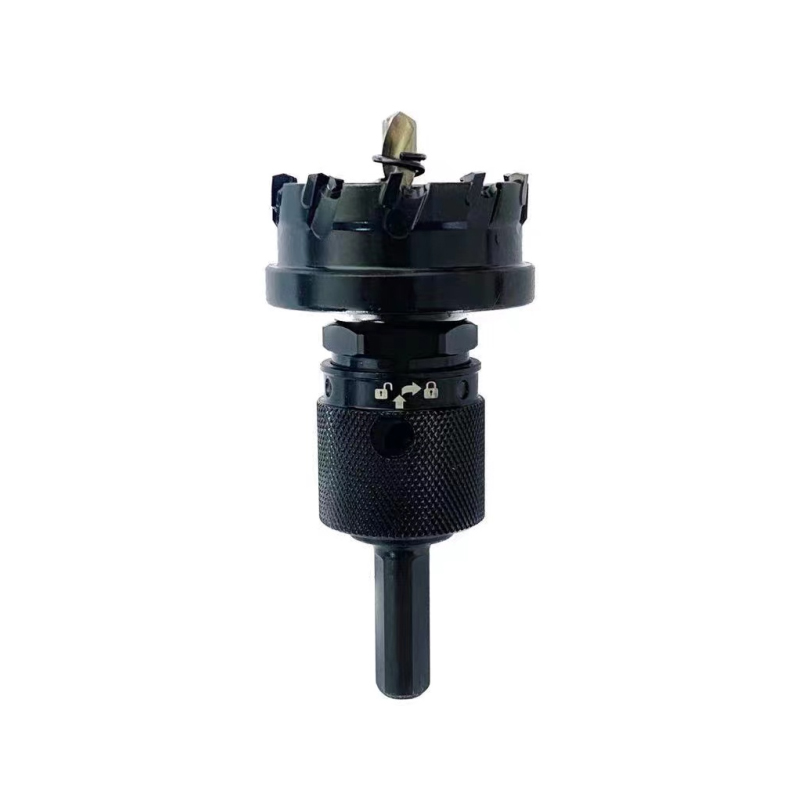
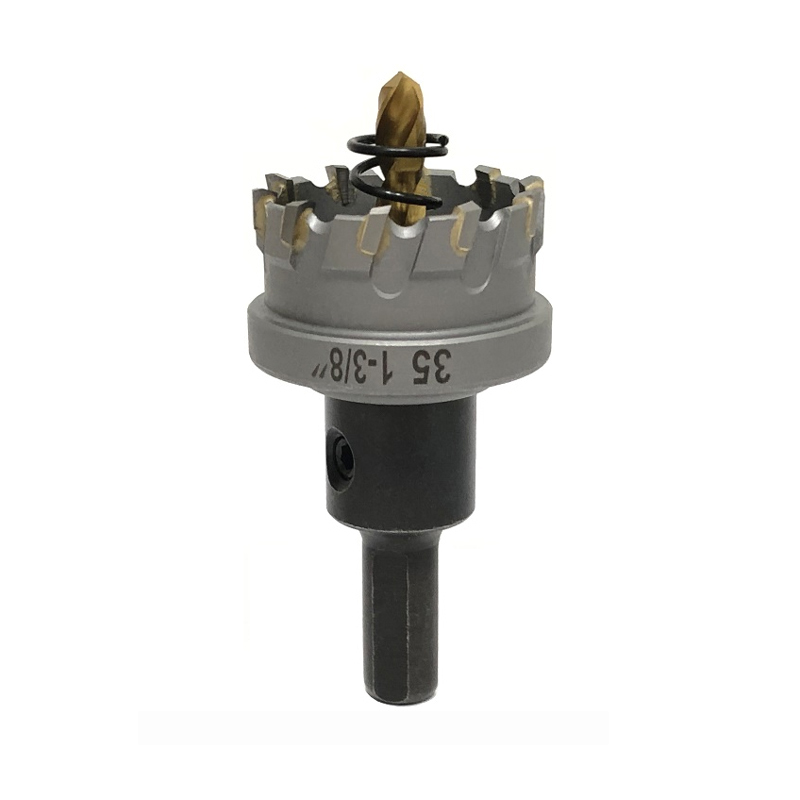
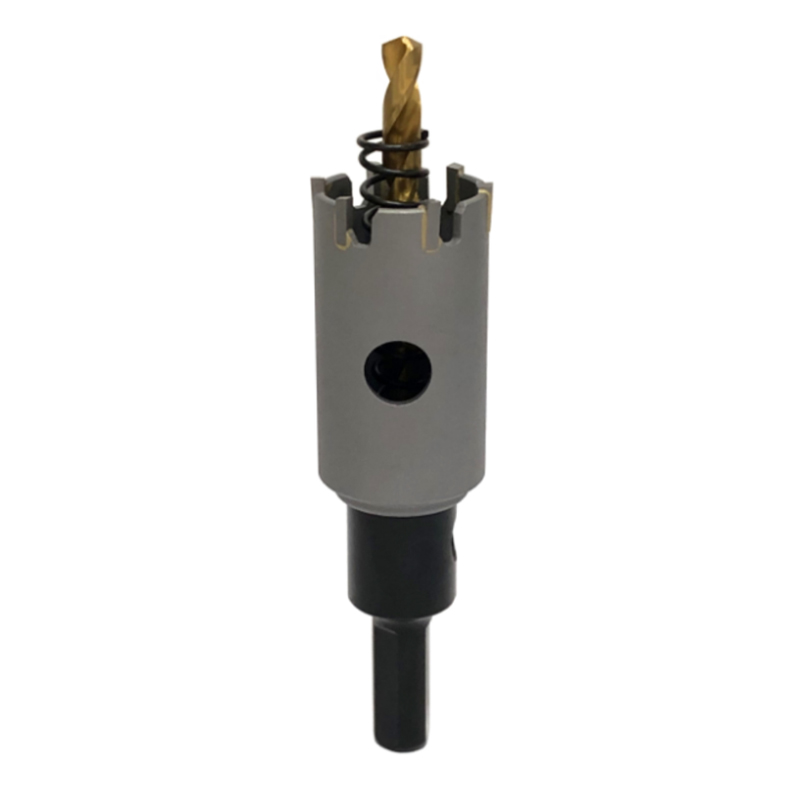
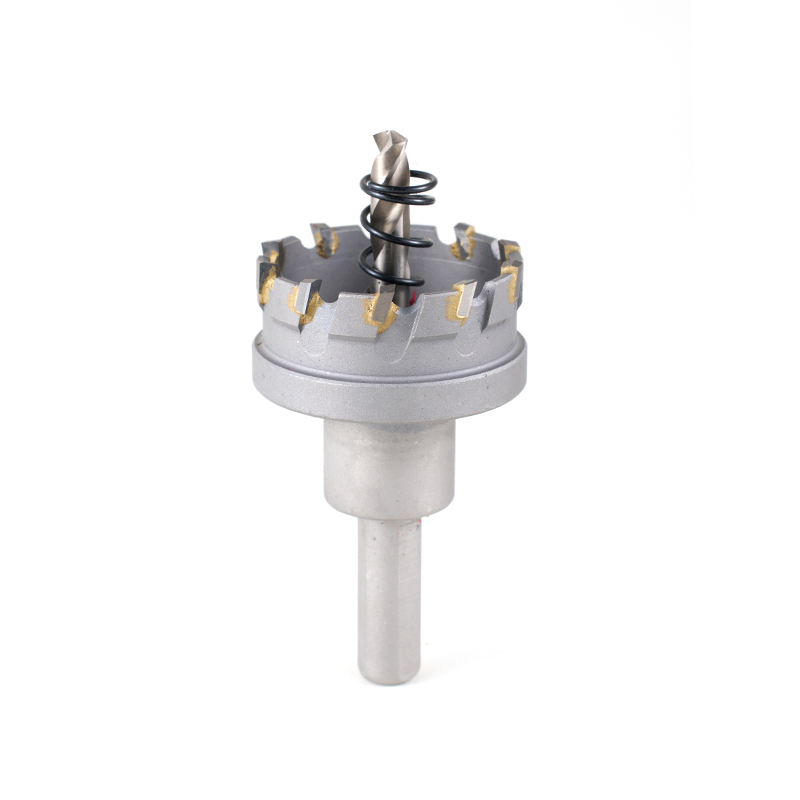
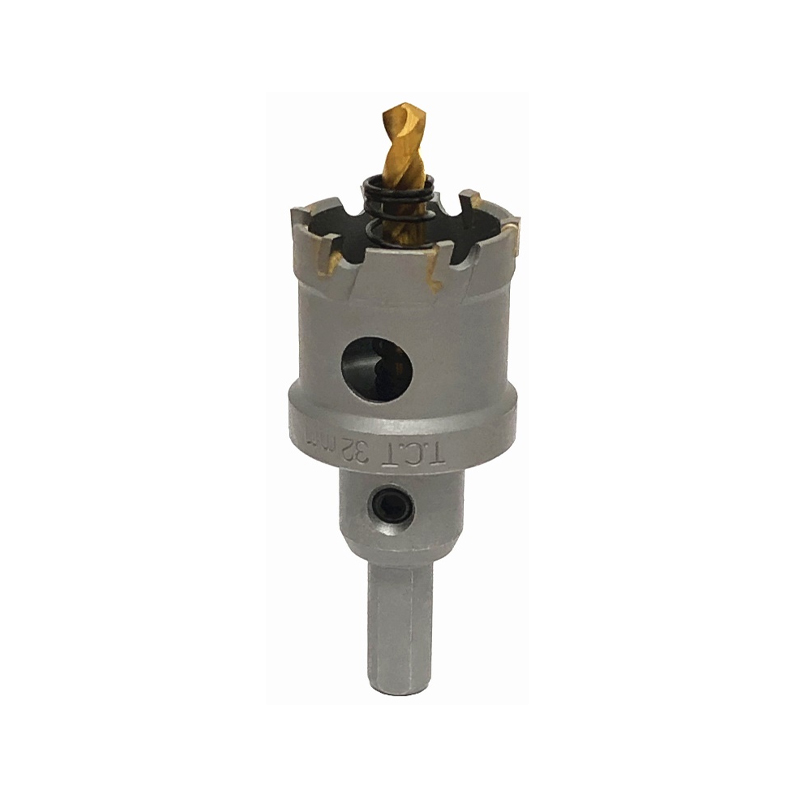
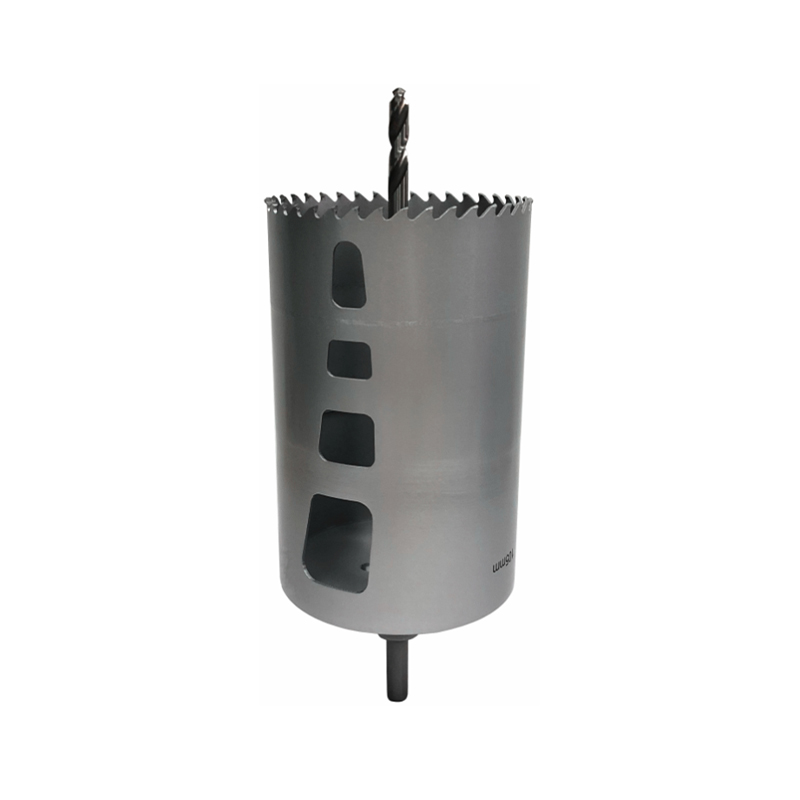
From a manufacturing standpoint, Industrial Drill Bits are not a one-size-fits-all product. They are engineered for different workpiece materials such as carbon steel, stainless steel, aluminum alloys, hardened steel, and cast iron. Geometry design, cutting angle, flute shape, and coating selection are all optimized according to specific drilling conditions.
In heavy-duty workshops and automated production lines, Industrial Drill Bits are expected to deliver stable performance under high-speed and continuous operation. This is where professional Metalworking Tools play a crucial role, as compatibility between machines, holders, and cutting tools directly affects productivity and tool life.
For high-precision parts, many customers choose Carbide Drill Bits due to their outstanding hardness and heat resistance. Compared with high-speed steel options, carbide solutions are better suited for long-cycle drilling and tight tolerance control. In these cases, Precision Tooling becomes a system concept rather than a single product, covering design accuracy, manufacturing consistency, and inspection standards.
Key takeaway: Selecting the right Industrial Drill Bits starts with understanding your material, machine capability, and expected output quality.
Question 2: Why Are Carbide Drill Bits Preferred in High-Volume Metalworking?
In modern factories, efficiency and consistency are critical. Carbide Drill Bits are widely used because they significantly reduce tool change frequency and maintain edge sharpness even under high cutting speeds. From our production experience, customers operating CNC machining centers often prioritize carbide solutions to stabilize batch quality.
As part of advanced Metalworking Tools, carbide drills are manufactured with strict grain size control and precision grinding. This ensures outstanding chip evacuation and reduced vibration, which is especially important when drilling deep holes or thin-walled components.
When integrated into a complete Precision Tooling solution, Carbide Drill Bits contribute to lower scrap rates and improved dimensional repeatability. For automotive parts, molds, and industrial components, this reliability directly translates into cost savings over time.
However, it's important to note that Carbide Drill Bits require proper cutting parameters and rigid machine setups. Our factory typically supports customers by recommending speed, feed, and cooling conditions tailored to their specific applications.
Question 3: What Should Buyers Look for When Choosing Metalworking Tools from a Manufacturer?
From a manufacturer's perspective, quality Metalworking Tools are defined by three factors: material selection, manufacturing precision, and quality control. Buyers should not only focus on price, but also on tool lifespan and performance stability.
Professional Metalworking Tools suppliers invest heavily in CNC grinding machines, inspection equipment, and standardized production processes. This is especially important for Industrial Drill Bits, where minor deviations in point angle or concentricity can cause tool breakage or poor hole quality.
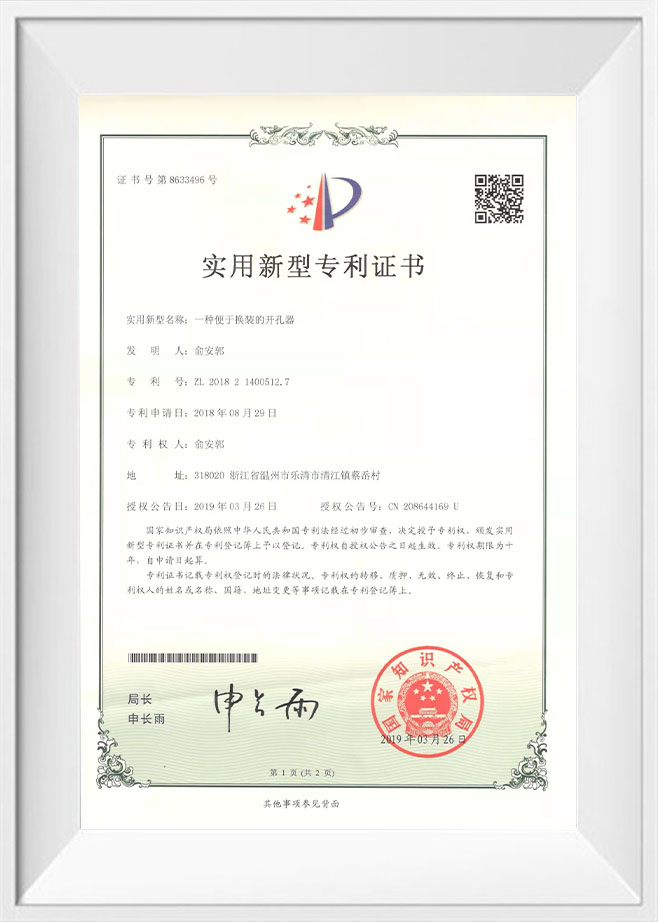
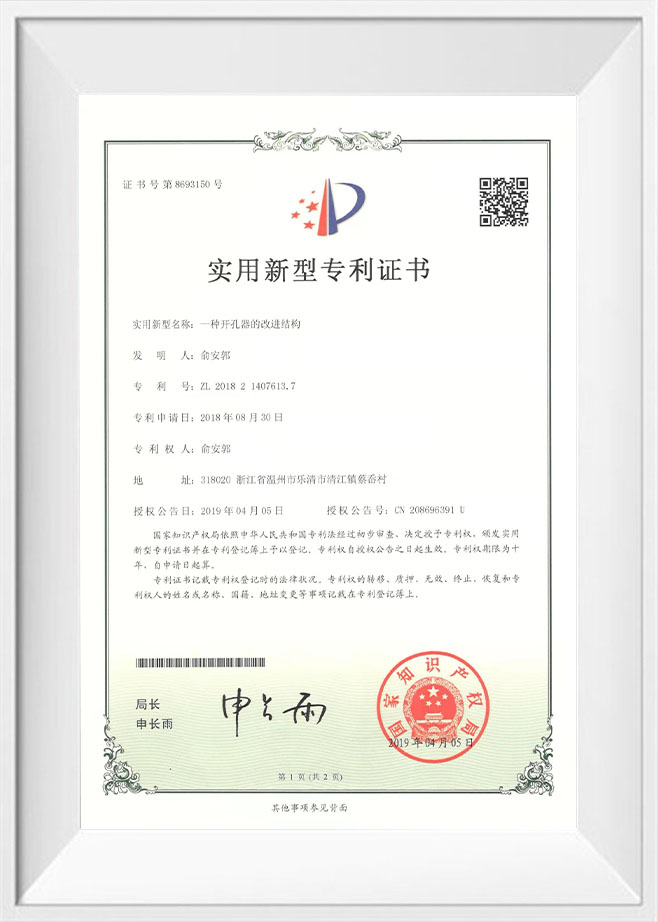
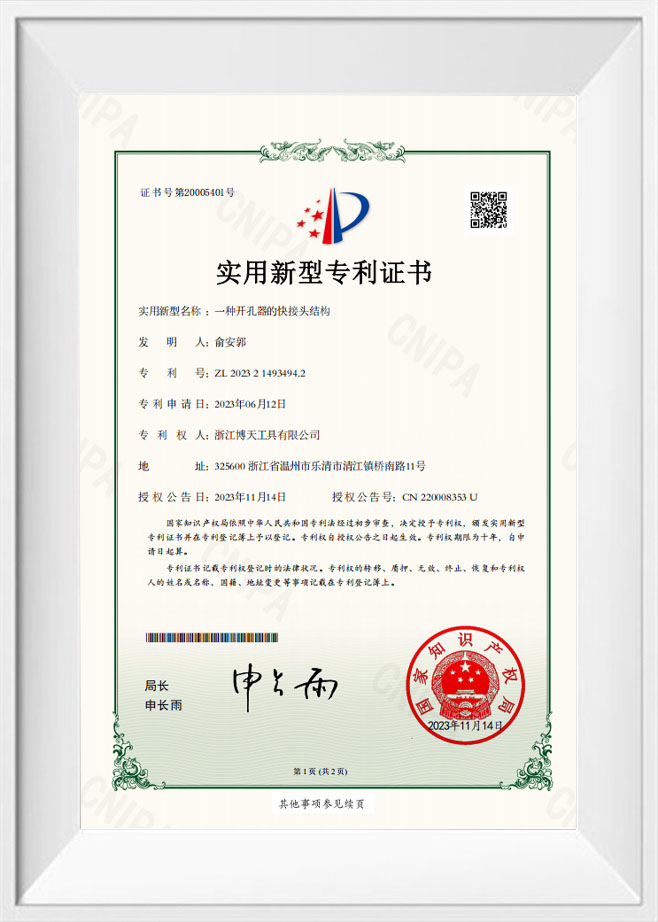
Another key factor is whether the supplier understands Precision Tooling requirements. For example, tight diameter tolerance, consistent flute geometry, and reliable coating adhesion are essential for high-end machining tasks. In our factory, every batch of Metalworking Tools undergoes dimensional inspection and performance testing before delivery.
Question 4: How Does Precision Tooling Improve Overall Machining Accuracy?
Precision Tooling is not limited to measuring accuracy; it represents a complete approach to controlled manufacturing. When producing Industrial Drill Bits, precision affects everything from raw material preparation to final edge polishing.
High-quality Precision Tooling ensures that drill bits deliver predictable results across different machines and operators. This is particularly valuable for customers running multi-shift production or exporting finished parts with strict quality standards.
For complex machining tasks, combining Precision Tooling with optimized Carbide Drill Bits allows users to achieve smoother hole walls, accurate depths, and reduced post-processing. These benefits are highly valued in aerospace, medical, and precision mold industries.
Question 5: How Can a Factory Support Customization of Industrial Drill Bits?
Customization is a growing demand in the global market. As a manufacturing factory, we support customized Industrial Drill Bits in terms of diameter, length, coating type, and point geometry. This flexibility helps customers adapt tools to unique materials or production environments.
Custom Industrial Drill Bits are often developed together with specific Metalworking Tools systems, ensuring compatibility with holders and machines. In many cases, customers request customized Carbide Drill Bits to balance cutting speed and tool life.
Below is a simple overview of common customization options:
| Custom Item |
Purpose |
Typical Application |
| Special Diameter |
Improve fit accuracy |
Precision components |
| Coating Selection |
Extend tool life |
High-speed machining |
| Point Angle Design |
Optimize chip removal |
Deep-hole drilling |
| Length Adjustment |
Machine compatibility |
Automated lines |
Through this approach, Precision Tooling becomes a collaborative process between manufacturer and end user, rather than a standard catalog purchase.
Sselecting the right Metalworking Tools requires more than comparing specifications. It involves understanding how Industrial Drill Bits, Carbide Drill Bits, and Precision Tooling work together within a real production environment. A capable manufacturing partner focuses on performance stability, customization support, and long-term value—helping customers stay competitive in demanding metalworking industries.


 English
 русский
 Deutsch