

 English
 русский
 Deutsch
Home · News · Industry News · Drill Bits for All Materials
Industry News
Drill Bits for All Materials
2025-06-11In modern manufacturing and industrial applications, drilling is one of essential machining operations. Selecting the right drill bit is crucial to achieving precise holes, reducing tool wear, and improving production efficiency. No single drill works goodly across all materials because each material has unique hardness, toughness, and heat transfer properties. However, certain drill types are designed to perform across multiple applications, providing flexibility and efficiency. At Zhejiang Botian Tools, our experience in producing professional-grade drill bits enables us to provide high-quality solutions for a wide range of materials.
1. High Speed Steel (HSS) Drills: Versatile and Cost-Effective
High Speed Steel (HSS) Drills are among widely used drill types in industry. They are prized for their versatility and relatively low cost, making them a staple in metalworking, woodworking, and plastic machining.
Advantages of HSS Drills in Manufacturing:
- Wide Material Compatibility: Our High Speed Steel (HSS) Drills can efficiently drill mild steel, stainless steel, aluminum, copper, plastics, and wood. This makes them an ideal choice for small workshops and large-scale industrial operations alike.
- Ease of Re-sharpening: In a manufacturing environment, tools undergo frequent wear. High Speed Steel (HSS) Drills can be re-sharpened multiple times without compromising performance, extending tool life and reducing replacement costs.
- Heat Resistance: HSS drills can withstand high temperatures generated during high-speed drilling, ensuring stable cutting performance across various metals.
- Precision and Surface Finish: These drills provide a clean cut and outstanding hole quality, which is critical in assemblies requiring tight tolerances.
Manufacturing Insights:
Our factory produces High Speed Steel (HSS) Drills with precise flute geometry and optimized point angles to improve chip evacuation and reduce heat buildup. By controlling alloy composition and heat treatment processes, we ensure consistent hardness and toughness, which enhances cutting performance across multiple materials.
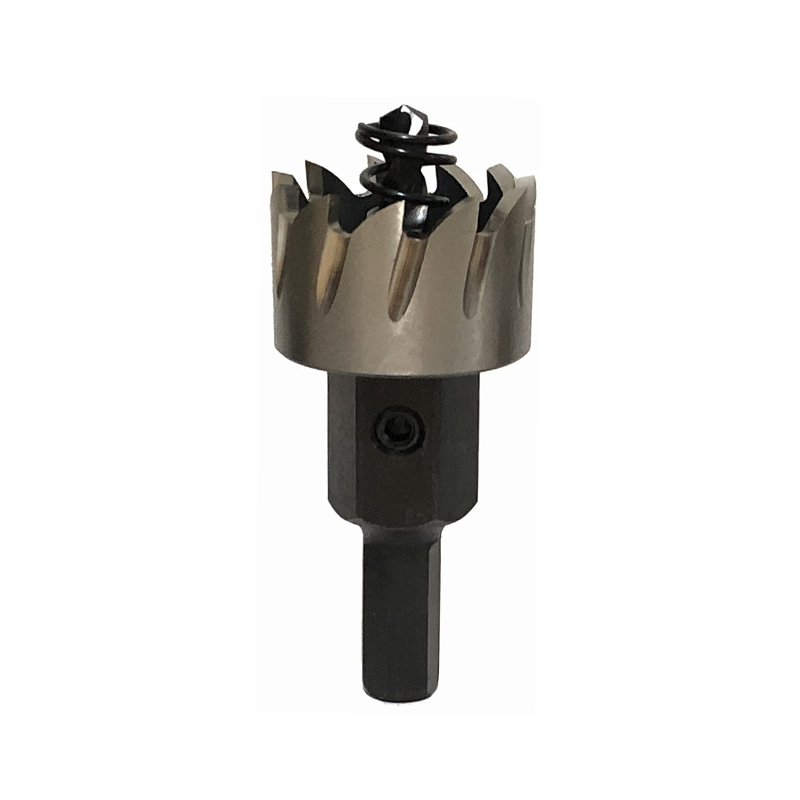
2. General Carbide Drills: Hardness and Wear Resistance
General Carbide Drills are designed to meet the demands of harder materials that quickly wear down conventional HSS drills. They combine hardness with outstanding wear resistance, making them suitable for high-volume industrial applications.
Key Features of General Carbide Drills:
- Hard Material Machining: Our General Carbide Drills excel on tough steels, cast iron, stainless steel, and aluminum alloys. They maintain sharpness longer than HSS drills, reducing downtime due to frequent tool changes.
- High Feed Rates: Thanks to outstanding material strength, General Carbide Drills can operate at higher spindle speeds and feed rates, improving production throughput.
- Thermal Stability: Carbide retains hardness at elevated temperatures, preventing deformation or loss of cutting efficiency during prolonged operation.
Factory Advantages:
At Zhejiang Botian Tools, General Carbide Drills are manufactured using advanced powder metallurgy and precision grinding technologies. Each drill undergoes rigorous testing for concentricity, point geometry, and coating adherence to ensure that every drill delivers good cutting performance across its lifespan.
Applications:
- Drilling stainless steel components in automotive and aerospace industries.
- High-volume aluminum machining in structural fabrication.
- Precision holes in metalworking requiring minimal burr formation.
3. Multi-Material Drills: Versatility Without Compromise
Multi-material drills are engineered to handle various materials with acceptable performance, offering flexibility for workshops that deal with mixed-material projects. These drills are particularly valuable in manufacturing environments where frequent material changes occur.
Advantages of Multi-Material Drills:
- Wide Application Range: Designed to drill metals, plastics, composites, and wood, Multi-material drills reduce the need to switch between specialized tools.
- Optimized Geometry: The flute and point design of Multi-material drills are carefully balanced to maintain performance across diverse materials, ensuring consistent hole quality.
- Cost-Effectiveness: While not specialized for extremely hard materials, these drills offer reliable performance at a competitive price for mixed-material applications.
Manufacturing Insights:
Our factory produces Multi-material drills using hybrid coatings and carefully engineered carbide or HSS cores. This ensures wear resistance while maintaining flexibility. Each drill is tested across different materials to verify consistent cutting performance, minimizing downtime and improving overall production efficiency.
Applications:
- Workshops producing assemblies with metal, plastic, and composite parts.
- Maintenance operations requiring a single versatile drill for varied materials.
- Small-batch production environments needing flexible tooling solutions.

4. Comparative Analysis: HSS, General Carbide, and Multi-Material Drills
| Drill Type | Material Compatibility | Wear Resistance | Cost | Recommended Applications |
| High Speed Steel (HSS) Drills | Mild steel, aluminum, plastics, wood | Moderate | Low | General machining, small workshops, low-volume tasks |
| General Carbide Drills | Hard steels, cast iron, stainless steel, aluminum alloys | High | Medium-High | Industrial machining, high-volume, precision components |
| Multi-material Drills | Metals, plastics, composites, wood | Moderate-High | Medium | Mixed-material workshops, maintenance, prototyping |
This comparison highlights the need to select drill types based on the specific materials and production requirements. While Multi-material drills offer flexibility, High Speed Steel (HSS) Drills and General Carbide Drills provide optimized performance for targeted applications.
5. Manufacturing advanced: Key Considerations for Professional Drill Production
Producing high-quality drills requires attention to metallurgy, geometry, coating, and testing. At Zhejiang Botian Tools, we focus on:
- Material Selection: Using premium high-speed steel or tungsten carbide ensures drills retain sharpness and resist wear.
- Precision Grinding: Optimized point angles, flute geometry, and helix angles are engineered for specific material performance.
- Coating Technology: Titanium nitride (TiN), titanium aluminum nitride (TiAlN), or other advanced coatings improve wear resistance and reduce heat buildup.
- Batch Testing: Each drill, whether High Speed Steel (HSS) Drills, General Carbide Drills, or Multi-material drills, undergoes performance verification across multiple materials to guarantee consistency.
6. Application Scenarios: improving Drill Performance
- High Speed Steel (HSS) Drills: Ideal for light to medium-duty drilling in mild steel, aluminum, copper, wood, and plastics. Suitable for prototyping, maintenance, and small-volume workshops.
- General Carbide Drills: good for high-volume industrial operations requiring deep holes in stainless steel, cast iron, and aluminum alloys. Commonly used in automotive, aerospace, and heavy machinery production.
- Multi-material drills: for operations with frequent material changes, such as maintenance workshops, mixed-material assembly, and prototype production, where tool versatility is more important than specialized performance.
7. Practices for Tool Selection and Maintenance
- Material Matching: Select High Speed Steel (HSS) Drills for softer metals and plastics, General Carbide Drills for hard metals, and Multi-material drills for varied operations.
- Speed and Feed Optimization: Adjust spindle speed and feed rate according to drill type and material. Carbide drills can handle higher speeds than HSS drills.
- Cooling and Lubrication: Use cutting fluids or water to reduce heat buildup, particularly for General Carbide Drills working on hard metals.
- Inspection and Re-sharpening: Regular inspection and timely re-sharpening of High Speed Steel (HSS) Drills and some Multi-material drills maintain cutting efficiency.
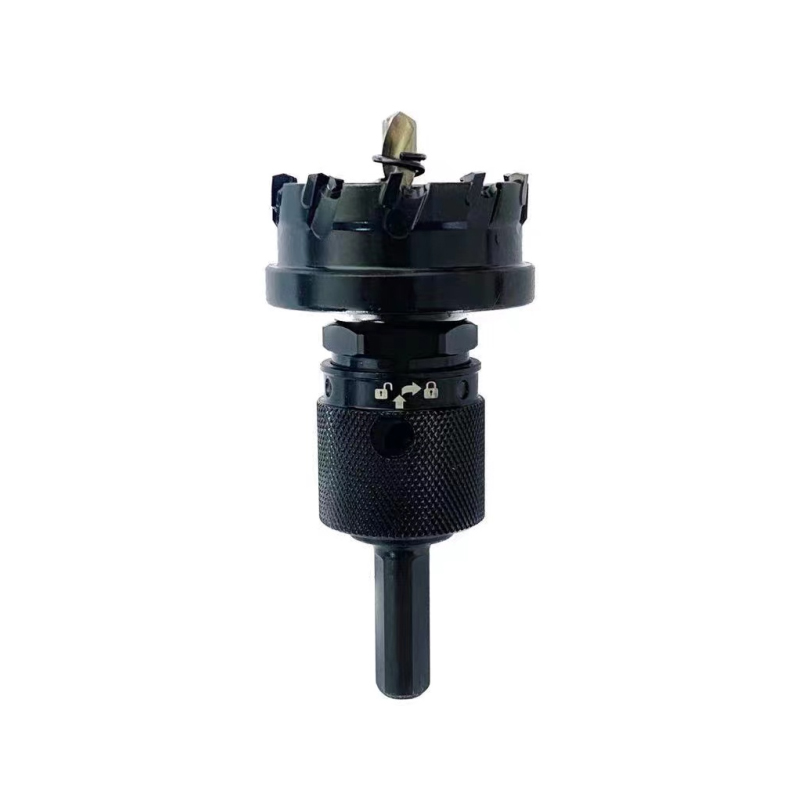
8. Conclusion
Choosing the right drill type is essential for efficiency, precision, and tool longevity. High Speed Steel (HSS) Drills provide versatility and cost-effectiveness for a variety of materials. General Carbide Drills excel in high-volume industrial applications where wear resistance and thermal stability are critical. Multi-material drills offer flexible solutions for workshops handling diverse materials.
At Zhejiang Botian Tools, our manufacturing expertise ensures that every drill, whether High Speed Steel (HSS) Drills, General Carbide Drills, or Multi-material drills, delivers good performance, long life, and consistent results. By combining advanced metallurgy, precision machining, and rigorous testing, we provide professional-grade drilling solutions for all industrial and workshop applications.
Selecting the appropriate drill for each material ensures efficiency, precision, and reduced operational costs, reflecting the professionalism and quality expected from a professional drill bit manufacturer.
Contact Us
Your email address will not be published. Required field are marked*

- Address: No.13, Qiaonan Road, Qingjiang Town Yueqing, Zhejiang, China
- Tel: +86-577-62260222
- FAX: +86-577-62260666
- E-mail: [email protected]
Copyright © Zhejiang Botian Tools Co., Ltd. All rights reserved.

Cutting Tools Manufacturer
