

 English
 русский
 Deutsch
Home · News · Industry News · Woodworking Hole Saws Manufacturer: The Tool That Cuts Clean Circles in Wood
Industry News
Woodworking Hole Saws Manufacturer: The Tool That Cuts Clean Circles in Wood
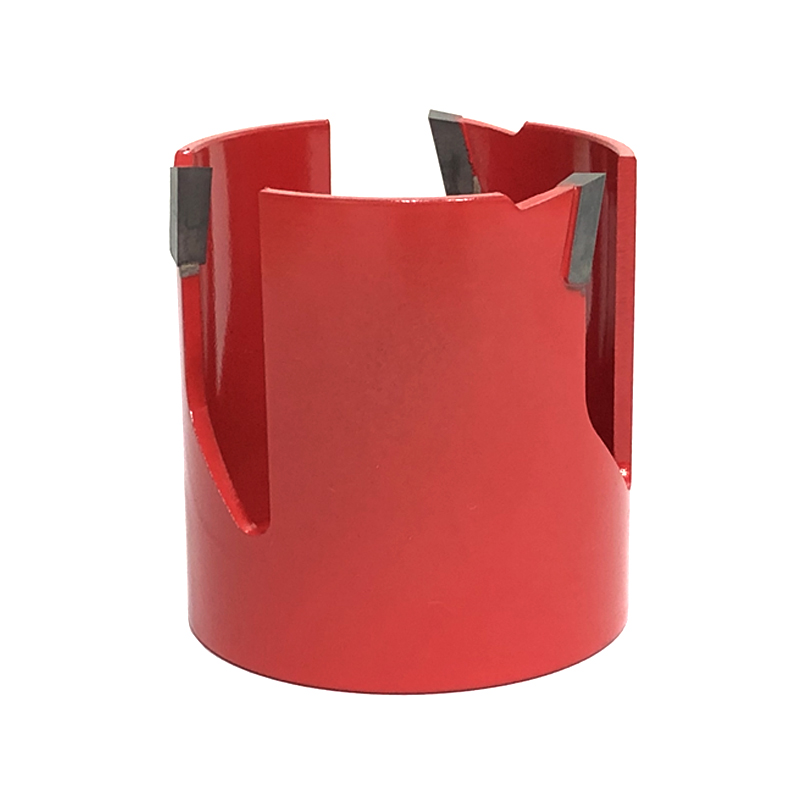
2026-09-04A hole saw is a metal cylinder with teeth on one end. It spins in a drill, bites into the wood, and carves out a circular plug. A woodworking hole saw cuts holes for door locks, pipe pass-throughs, cable access, and dowel joints. The quality of the cut depends on the teeth, the body, and the arbor that connects the saw to the drill. A woodworking hole saws manufacturer builds these tools for cabinet shops, furniture makers, electricians, plumbers, and general contractors. The holes have to be round, the edges clean, and the tool has to last through repeated use in hardwoods, softwoods, and engineered board.
The Teeth That Do the Cutting
Wood cutting teeth are not the same as metal cutting teeth. A woodworking hole saw uses alternating set teeth, some bent outward, some inward, to clear chips and cut a kerf wider than the saw body. Without set, the saw binds and burns. Too much set, and the cut is ragged and oversized.
The tooth material matters. Carbon steel teeth work for softwoods and occasional use. Bi-metal construction, high-speed steel teeth welded to a spring steel body, lasts longer in hardwoods and plywood. A woodworking hole saws manufacturer offering bi-metal saws serves the professional market. Carbon steel serves the homeowner.
The tooth count affects speed and finish. Fewer teeth cut faster but leave a rougher edge. More teeth cut slower but produce a cleaner hole for finish work. A woodworking hole saws manufacturer balances tooth count against the intended use, more teeth for cabinet work, fewer for rough framing.
The Body and the Arbor
The saw body is a steel cylinder. It has to stay round and rigid under drilling pressure. A thin body deforms and cuts an oval hole. A woodworking hole saws manufacturer uses steel thick enough to hold its shape but thin enough to cut efficiently.
The arbor is the connection between the saw and the drill chuck. It threads into the closed end of the saw body. A drive pin transmits torque. A pilot drill in the center starts the hole and keeps the saw from wandering. A woodworking hole saws manufacturer builds arbors with a secure locking mechanism so the saw does not spin loose during the cut.
The pilot drill also determines the finished hole position. A dull or bent pilot drill makes the hole wander before the saw teeth even engage. A woodworking hole saws manufacturer that includes a quality pilot drill with each arbor saves the user from a crooked start.
Slug Ejection and Chip Clearance
The cut plug, called the slug, has to come out of the saw body after every hole. A slug stuck inside blocks the next cut. A woodworking hole saws manufacturer designs the body with angled ejection slots so the operator can pry the slug out with a screwdriver. Some arbors include a spring-loaded mechanism that pushes the slug out automatically.
Chip clearance is the other half of the equation. The gaps between the teeth carry chips out of the cut. Chips that pack into the teeth generate heat and dull the saw. A woodworking hole saws manufacturer designs the tooth gullets deep enough to clear the chips efficiently, especially in green wood and engineered board where chips are stringy and sticky.
Where the Saws Get Used
Cabinet and furniture shops cut holes for hinges, locks, and cable pass-throughs. The holes have to be clean because the customer sees them. A woodworking hole saw cuts through veneered plywood without chipping the surface when the teeth are sharp and the feed pressure is controlled.
Electricians and plumbers cut holes in framing lumber for conduit and pipe. The holes are rough work, but they still have to be round and the right size. A woodworking hole saw that cuts an oversized hole leaves the pipe loose in the wall.
Door installers cut holes for locksets and deadbolts. The standard sizes are 2-1/8 inches for the bore and 1 inch for the latch. A woodworking hole saws manufacturer produces these sizes as stock items with arbors matched to the drill.
What Fails on a Cheap Hole Saw
The teeth dull after a few holes. Carbon steel teeth in hardwood lose their edge fast. Bi-metal teeth last longer. The saw body warps under feed pressure and cuts an oval hole. The arbor threads strip and the saw spins on the arbor. The pilot drill snaps and the saw wanders across the workpiece.
A woodworking hole saws manufacturer that uses proper steel, heat-treats the teeth, and builds a solid arbor connection produces a saw that cuts round holes through hundreds of installations. The cheap saw fails in the middle of the job. The good saw finishes it.
Here is what a woodworking hole saws manufacturer has to deliver:
- Bi-metal construction for hardwood and professional use
- Alternating tooth set for chip clearance without binding
- Rigid steel body that holds round under feed pressure
- Secure arbor with quality pilot drill
- Ejection slots for slug removal
- Standard lock and pipe sizes as stock items
The Tool That Finishes the Job
A woodworking hole saw is not complicated. A steel cylinder with teeth. A pilot drill. An arbor. But the difference between a clean hole and a ragged one, between a saw that lasts and one that dulls after three cuts, comes down to the details.
A woodworking hole saws manufacturer that gets the steel right, sets the teeth properly, and builds a solid arbor produces a tool the tradesman trusts. The hole comes out round. The slug pops out. The next hole starts clean. That is the job. That is what the saw is for.
Contact Us
Your email address will not be published. Required field are marked*

- Address: No.13, Qiaonan Road, Qingjiang Town Yueqing, Zhejiang, China
- Tel: +86-577-62260222
- FAX: +86-577-62260666
- E-mail: [email protected]
Copyright © Zhejiang Botian Tools Co., Ltd. All rights reserved.

Cutting Tools Manufacturer
