

 English
 русский
 Deutsch
Home · News · Industry News · Quick Release Countersink Drill Bit: The Bit That Swaps in Seconds
Industry News
Quick Release Countersink Drill Bit: The Bit That Swaps in Seconds
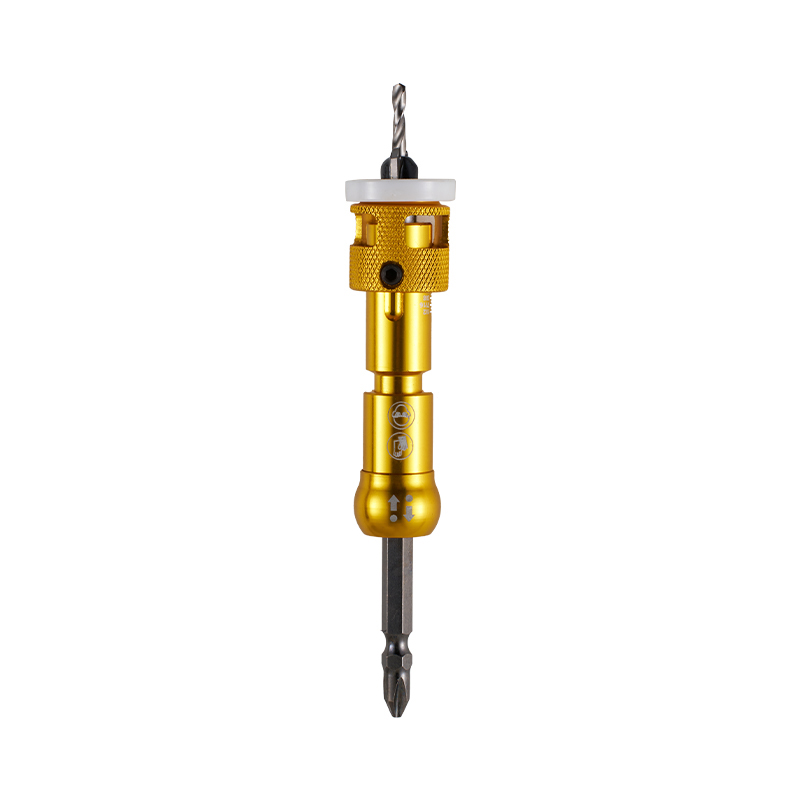
2026-08-28A countersink bit dulls in the middle of a production run. Swapping it out means loosening a chuck, aligning the new bit, and retightening. A quick release countersink drill bit eliminates those steps. The hex shank snaps into a quick-release chuck and ejects with the push of a collar. A dull bit comes out. A sharp one goes in. The operator barely pauses. Cabinet shops running hundreds of screws per shift use these bits because downtime between changes eats more profit than the bits themselves.
The Shank That Pops Out When the Job Demands Speed
A standard drill bit requires the operator to loosen the chuck jaws, remove the bit, insert a new one, and retighten. A quick release countersink drill bit with a 1/4-inch hex shank and a retention groove slides into a quick-release chuck and locks automatically. The operator pushes the chuck collar. The bit ejects. A fresh bit slides in and locks. Total swap time is under three seconds.
The hex profile transfers torque without slipping. Round shanks spin under load and gall the chuck jaws. A quick release countersink drill bit with six flat driving faces delivers full torque from the driver to the cutting edges. The retention groove catches the spring-loaded ball inside the chuck. The bit stays in the tool until the operator chooses to release it.
This format fits impact drivers and quick-release drill-drivers without an adapter. A quick release countersink drill bit moves from the pilot hole station to the countersink station on the same tool. No dedicated countersink driver required.
Pilot and Countersink Cone in One Body
The split-point pilot tip contacts the workpiece first. It centers the bit without a punch mark and prevents the bit from walking. A quick release countersink drill bit with a properly ground pilot starts cleanly on wood, plastic, and sheet metal.
The countersink cone follows the pilot into the material. Its angled cutting flutes, typically 82 or 90 degrees, cut a recess that matches the screw head profile. An 82-degree cone fits imperial flat-head screws. A 90-degree cone fits metric. The cone diameter determines the big screw size the bit can handle. A quick release countersink drill bit with three to five flutes balances cutting speed against finish quality. Fewer flutes cut faster. More flutes produce a smoother recess in harder materials.
Material-specific edges extend life. HSS handles wood, plastic, and occasional metal. Cobalt holds its edge through repeated holes in steel and stainless. Carbide survives abrasive composites and high-volume metal production. A quick release countersink drill bit with the right cutting edge for the job stays sharp longer between swaps.
Here is what the bit needs to perform in fast-paced production:
- 1/4-inch hex shank with retention groove for quick-release chucks
- Split-point pilot tip that centers without a punch
- Cone angle matched to screw head: 82 or 90 degrees
- Three to five flutes balanced for speed and finish quality
- HSS, cobalt, or carbide edges selected for the workpiece material
Where Seconds Per Change Add Up
Cabinet shops run hundreds of screws per shift. Bits dull. A quick release countersink drill bit swapped in seconds keeps the line moving. The cost of the bit is a rounding error compared to the labor time saved.
Assembly lines building furniture, trailers, and enclosures use countersunk screws for flush surfaces. A quick release countersink drill bit on each operator's driver keeps the pace up. Production targets do not get adjusted for bit changes.
Metal fabricators drilling and countersinking steel brackets and covers wear through bits fast. A quick release countersink drill bit with cobalt edges in a quick-release chuck lets the operator change bits the moment the cut quality drops. No waiting. No setup.
What Wears Out a Countersink Bit
The pilot tip snaps under side load. A quick release countersink drill bit with a smooth, radiused transition from pilot to cone spreads stress. A sharp corner at that junction cracks. The cutting edges dull and the bit rubs instead of cuts. Material burns. The operator pushes harder and breaks the pilot. A bit that can be resharpened earns its keep. One that cannot is scrap once the edges go.
A quick release countersink drill bit is a production tool. It drills a pilot hole, cuts a countersink recess, and pops out of the chuck when the edges dull. Choose a bit with the right shank, cone angle, and cutting material for the job. The screws seat flush and the bit changes take seconds. That is how the line keeps moving.
Contact Us
Your email address will not be published. Required field are marked*

- Address: No.13, Qiaonan Road, Qingjiang Town Yueqing, Zhejiang, China
- Tel: +86-577-62260222
- FAX: +86-577-62260666
- E-mail: [email protected]
Copyright © Zhejiang Botian Tools Co., Ltd. All rights reserved.

Cutting Tools Manufacturer
