

 English
 русский
 Deutsch
The Industry Standard for Reliable Cutting
2026-03-25Why High Speed Steel Dominates
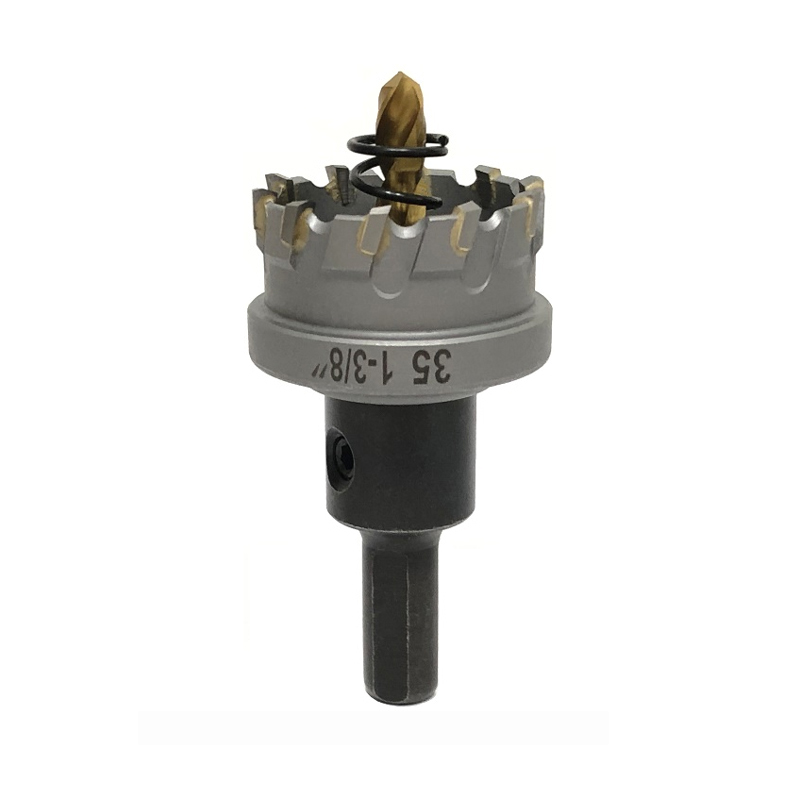
Walk through any construction site or workshop and find hole saws in various conditions. The majority of cutting through metal studs, electrical panels, and plumbing pipes share one characteristic. A high-speed steel hole saw forms the backbone of most cutting kits because this material balances cost against performance effectively. Developed early in the twentieth century for demanding machining applications, HSS maintains cutting edges at temperatures that would soften ordinary carbon steel tools rapidly.
Material Composition Benefits
The name reveals nothing about the actual ingredients that make these tools special. Tungsten, molybdenum, chromium, and vanadium combine in precise proportions, creating steel that retains hardness even when friction generates intense heat. A high-speed steel hole saw contains approximately eight percent molybdenum, four percent chromium, and two percent tungsten in common M2 grade formulations. This alloy composition allows cutting speeds three to five times faster than carbon steel alternatives without losing temper.
Heat Resistance During Operation
Friction generates tremendous heat as teeth shear through metal chips. Ordinary steel tools soften when temperatures exceed four hundred degrees Fahrenheit, losing cutting ability rapidly. High-speed steel maintains hardness up to approximately one thousand degrees, allowing continuous operation without frequent cooling pauses. A high-speed steel hole saw cuts through mild steel, stainless steel, and aluminum without edge breakdown that would stop lesser tools mid-project.
Tooth Hardness Levels
Heat treatment transforms these alloys into cutting tools with remarkable durability. Furnaces raise blanks to precise temperatures before quenching in controlled environments. Tempering follows, balancing hardness against toughness for specific applications. Finished teeth achieve Rockwell C hardness ratings between 62 and 65, hard enough to cut metal yet tough enough to resist breakage during interrupted cutting. A properly treated high-speed steel hole saw maintains this hardness throughout its useful life, only dulling through accumulated wear rather than thermal softening.
Cutting Speed Guidelines
Maximum efficiency requires matching operating speeds to material characteristics. Mild steel cuts optimally around one hundred surface feet per minute, translating to lower RPM for larger diameters. Stainless steel requires slower speeds with consistent pressure, preventing work hardening. Aluminum allows faster operation but demands chip clearance, preventing clogging. A versatile high-speed steel hole saw performs across these ranges when operators select appropriate speeds for each application.
Bi-Metal Construction Advantages
Many hole saws combine HSS teeth with flexible alloy steel backs, creating bi-metal construction. This combination places hardened cutting edges exactly where needed while allowing bodies to flex slightly during use. Electron beam welding bonds dissimilar metals permanently at the factory. A durable high-speed steel hole saw with bi-metal construction resists cracking when encountering unexpected obstacles, surviving impacts that would shatter all-hard versions.
Sharpening Possibilities
Dull HSS tools often regain cutting ability through proper sharpening techniques. Small files restore tooth geometry when edges are rounded through use. Specialized sharpening stones maintain proper angles without removing excessive material. Some users extend tool life significantly through periodic resharpening between projects. A maintainable high-speed steel hole saw represents better long-term value than disposable alternatives, requiring complete replacement when dull.
Application Range
Metal fabricators rely on these tools for thousands of daily holes in structural steel, machinery guards, and equipment bases. Electricians cut through panel enclosures, junction boxes, and cable trays where reliability matters. Plumbers create openings in pipes, hangers, and support brackets during installations. A trusted high-speed steel hole saw serves these diverse applications because the material performs consistently across varied conditions encountered daily.
Chip Clearing Requirements
Efficient cutting requires removing metal chips from kerfs during operation. Tooth configurations include gullets designed for chip evacuation without binding. Periodic withdrawal clears packed chips when cutting deeper materials. Some designs incorporate chip ejection holes aiding removal. A productive high-speed steel hole saw depends on proper chip managemen,t preventing friction buildup that generates excessive heat.
Contact Us
Your email address will not be published. Required field are marked*

- Address: No.13, Qiaonan Road, Qingjiang Town Yueqing, Zhejiang, China
- Tel: +86-577-62260222
- FAX: +86-577-62260666
- E-mail: [email protected]
Copyright © Zhejiang Botian Tools Co., Ltd. All rights reserved.

Cutting Tools Manufacturer
