

 English
 русский
 Deutsch
The Cutting Tools Designed for Delicate Materials
2026-03-20Why Thin-Wall Design Matters
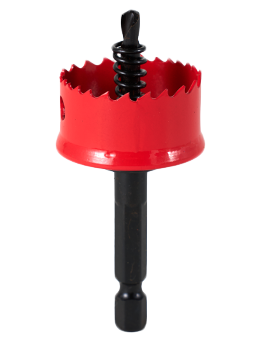
Standard hole saws remove material aggressively, often damaging thin materials they cut. A thin-wall hole saw features reduced kerf width, removing less material while creating cleaner openings. This design proves essential when working with sheet metal, plastic panels, and electrical enclosures where preserving surrounding material matters. The narrower cutting path reduces required torque, allowing smaller tools to drive larger diameter holes effectively through delicate workpieces.
Speed Advantages in Practice
The reduced wall thickness translates directly to faster cutting action. With less material to remove per revolution, a thin-wall hole saw progresses through workpieces noticeably quicker than standard alternatives. Users report cutting times reduced significantly when comparing identical diameters in similar materials. This efficiency proves valuable in production environments where completing multiple holes quickly affects overall project timelines and labor costs.
Tooth Geometry for Clean Edges
Teeth on these specialized saws feature configurations minimizing tear-out on entry and exit surfaces. Eight teeth per inch designs balance cutting speed against edge quality for most applications. The tooth set pattern creates narrow kerfs while providing adequate chip clearance during operation. A quality thin-wall hole saw produces burr-free cuts requiring minimal secondary finishing, reducing overall work time for each hole completed.
Material Compatibility Range
Thin-wall designs excel in specific material categories where standard saws cause damage. Mild steel up to one-eighth inch thickness cuts cleanly without excessive heat generation. Stainless steel sheets within similar thickness ranges accept clean holes when proper technique applied. Plastics and composites benefit from reduced tearing during cutting. A versatile thin-wall hole saw handles these varied materials effectively when operated at appropriate speeds.
Depth Stop Protection Features
Over-drilling damages materials and components behind cutting surfaces. Integrated stop shoulders contact workpiece surfaces at proper depth, preventing further penetration. This protection proves essential when cutting electrical boxes where wiring hides behind thin walls. A thoughtful thin-wall hole saw design includes depth-limiting features protecting both material and whatever lies beyond the cutting zone.
Slug Ejection Systems
Removing cut discs from standard hole saws frustrates users constantly. Internal ejection springs push slugs out automatically when saws withdraw from completed holes. This simple mechanism eliminates manual removal using screwdrivers or pliers that waste time. A convenient thin-wall hole saw includes reliable ejection springs, reducing frustration during multi-hole projects where dozens of slugs would otherwise require individual extraction.
Quick-Change Shank Compatibility
Modern drivers feature quick-change chucks accepting hex shanks without additional manipulation. Quarter-inch hex shanks on these saws insert directly into impact drivers and drills equipped with appropriate chucks. This compatibility eliminates chuck key requirements and reduces bit changing time significantly. A practical thin-wall hole saw system integrates with tools already present in most workshops and job sites.
Impact Driver Operation
Standard hole saws require drill motors with sufficient torque at lower speeds. Thin-wall designs operate effectively with impact drivers, tools many professionals already carry. The impact mechanism delivers rotational force while allowing finer control during entry and exit. An impact-compatible thin-wall hole saw expands tool flexibility, reducing the number of dedicated tools required for complete jobs.
Durability Considerations
Thin walls naturally raise concerns about tool longevity during demanding use. High-speed steel construction provides adequate wear resistance for most applications within thickness limitations. Bi-metal versions combine hardened teeth with flexible backs for enhanced durability when encountering occasional harder materials. A durable thin-wall hole saw balances thin-wall advantages against sufficient strength for reliable service life.
Application Versatility
Electricians use these saws for knockout holes in junction boxes and panel enclosures where standard saws would damage components. HVAC installers cut access openings in ductwork and equipment cabinets with clean edges requiring no deburring. Sign makers create precise openings in plastic and aluminum panels for lighting and mounting hardware. An adaptable thin-wall hole saw serves multiple trades effectively, justifying its place in comprehensive tool kits.
Contact Us
Your email address will not be published. Required field are marked*

- Address: No.13, Qiaonan Road, Qingjiang Town Yueqing, Zhejiang, China
- Tel: +86-577-62260222
- FAX: +86-577-62260666
- E-mail: [email protected]
Copyright © Zhejiang Botian Tools Co., Ltd. All rights reserved.

Cutting Tools Manufacturer
