

 English
 русский
 Deutsch
Home · News · Industry News · What Should Buyers Consider When Choosing a Tile Hole Saws Manufacturer?
Industry News
What Should Buyers Consider When Choosing a Tile Hole Saws Manufacturer?
2026-05-15Tile installation work has changed alongside modern interior design trends. Kitchens, bathrooms, and commercial spaces now use a wider variety of ceramic, porcelain, and stone materials. These surfaces require precise drilling for pipes, fixtures, and fittings. In this context, a Tile Hole Saws Manufacturer plays a key role in producing tools that support controlled and accurate cutting during installation work.
Instead of relying on general-purpose cutting tools, contractors now use specialized hole saws designed for hard and brittle materials.
Why Precision Matters in Tile Drilling
Tiles are often brittle and prone to cracking if excessive force or incorrect tools are used during drilling. Clean cutting is important not only for appearance but also for proper installation of plumbing and electrical fixtures.
A Tile Hole Saws Manufacturer produces tools designed to reduce edge chipping and maintain consistent cutting performance across different tile materials. These tools are commonly used for:
- Bathroom plumbing installations
- Kitchen sink and faucet mounting
- Electrical outlet placement
- HVAC system fittings
- Decorative wall fixture installation
Each application requires different hole sizes and cutting depths.
Tool Design and Manufacturing Process
Producing tile cutting tools involves material selection, shaping, and surface treatment. A Tile Hole Saws Manufacturer typically uses diamond-coated segments or tungsten carbide materials depending on the intended application.
The production process may include:
- Steel body forming and shaping
- Diamond or carbide coating application
- Heat treatment for structural stability
- Edge balancing and alignment testing
- Final inspection for cutting consistency
These steps help ensure that tools can handle repeated drilling through hard tile surfaces without excessive wear.
Role in Construction and Renovation Projects
Construction and renovation work often requires adjustments to existing structures. Tiles may need to be drilled after installation for plumbing updates or fixture changes.
A Tile Hole Saws Manufacturer supports these tasks by producing tools suitable for both dry and wet cutting methods. Wet cutting is often used to reduce heat buildup and dust during operation, while dry cutting offers convenience in smaller installation environments.
Contractors often choose tools based on project type and working conditions.
Material Compatibility and Cutting Performance
Different tile materials respond differently to drilling. Ceramic tiles are generally easier to cut, while porcelain and stone tiles require stronger cutting edges.
A Tile Hole Saws Manufacturer may produce different tool variations to match material hardness levels. This helps installers select tools based on project requirements rather than using a single universal design.
Cutting performance also depends on drill speed, pressure control, and cooling method used during operation.
Importance of Tool Stability and Balance
During drilling, vibration can affect accuracy and increase the risk of tile damage. Stable tool design helps reduce movement during cutting.
A Tile Hole Saws Manufacturer often focuses on balancing tool geometry and reinforcement structure. This includes ensuring even distribution of cutting edges and maintaining stable rotation during use.
In professional installation work, consistent drilling behavior is important for alignment of fixtures and fittings.
Distribution and OEM Tool Supply
Many construction tool suppliers source products directly from a Tile Hole Saws Manufacturer for distribution or OEM branding. This allows distributors to customize packaging, sizes, and product ranges based on regional market needs.
OEM production is common in the hardware tools industry, where brands require consistent manufacturing while maintaining their own product identity.
Bulk supply is often organized based on contractor demand and retail distribution cycles.
Maintenance and Usage Considerations
Although tile hole saws are consumable tools, proper usage can extend their working life. Operators often use water cooling, controlled pressure, and correct drill speed to reduce wear.
A Tile Hole Saws Manufacturer may also provide usage guidelines to help users reduce tool damage during operation.
Regular inspection of cutting edges is important to maintain consistent performance during multiple installation tasks.
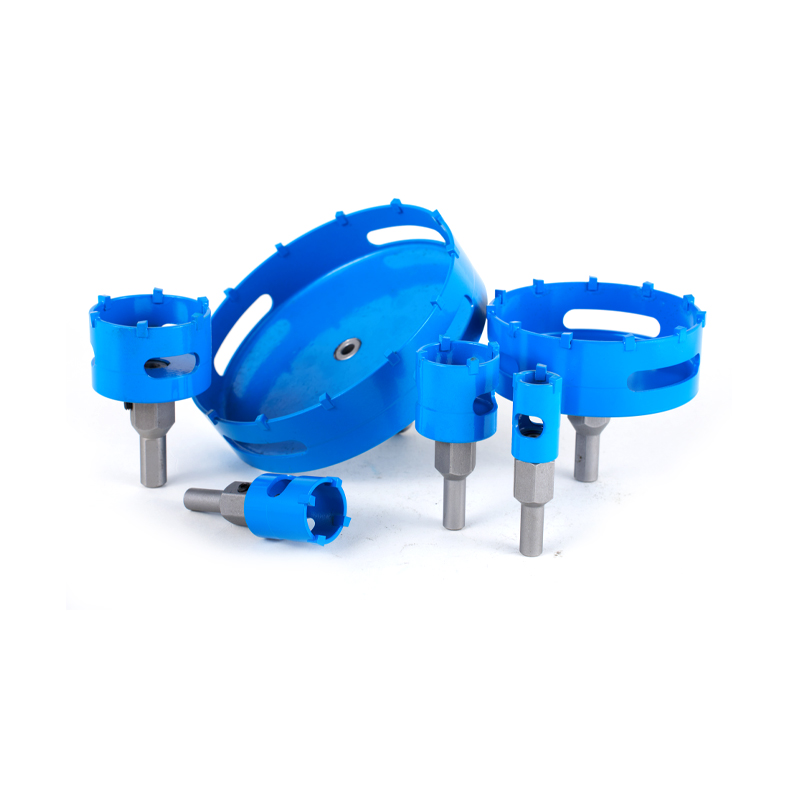
Tile installation continues to evolve with new materials and design styles in modern construction. The Tile Hole Saws Manufacturer plays a practical role in supporting these changes by producing tools designed for controlled and accurate drilling in hard surfaces.
As renovation and construction projects become more detail-focused, demand for specialized cutting tools remains closely connected to installation quality and workflow efficiency.
Contact Us
Your email address will not be published. Required field are marked*

- Address: No.13, Qiaonan Road, Qingjiang Town Yueqing, Zhejiang, China
- Tel: +86-577-62260222
- FAX: +86-577-62260666
- E-mail: [email protected]
Copyright © Zhejiang Botian Tools Co., Ltd. All rights reserved.

Cutting Tools Manufacturer
