

 English
 русский
 Deutsch
Where Precision Holes Get Their Perfect Finish
2026-03-06The Specialized World of Countersink Production
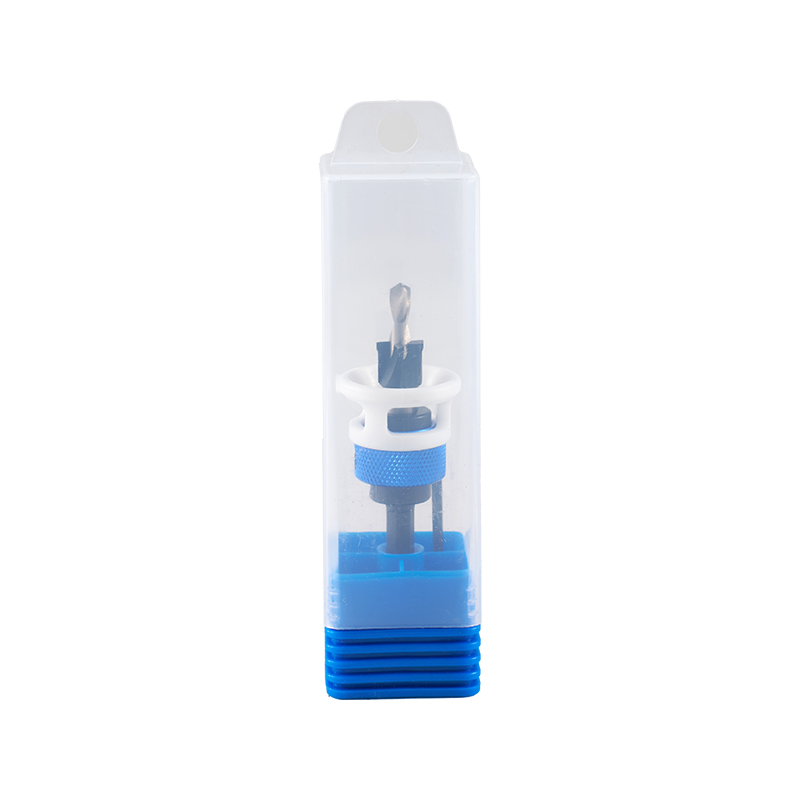
Every screw sitting flush with a wooden surface owes its appearance to a specialized cutting tool. A countersink drill bit factory produces the essential implements that create conical recesses, allowing fastener heads to hide below material surfaces. These facilities range from small specialized shops to large manufacturing operations with decades of industry experience. The knowledge required for producing consistent cutting geometry passes between generations of toolmakers who understand how slight angle variations affect final results.
Raw Materials Arriving at Loading Docks
Steel rods in various compositions arrive at receiving bays for inspection and testing before production begins. High-speed steel provides the foundation for most countersink production, offering good hardness with sufficient toughness for general workshop applications. Cobalt high-speed steel grades arrive for premium bits requiring extra heat resistance during demanding professional use. Solid carbide rods stock for industrial-grade tools serving high-volume production environments where longevity matters most. A quality countersink drill bits factory verifies material certifications before accepting shipments, ensuring chemistry matches specifications exactly.
Blank Formation Starting the Journey
Steel rods move to cutting stations where they section into appropriate lengths for further processing through multiple operations. Some facilities use automated saws cutting hundreds of blanks per hour with consistent dimensions maintained throughout production runs. Others employ cold heading machines forming basic shapes through impact rather than material removal for specific designs. Each blank represents the starting point for hours of subsequent machining operations transforming raw steel into finished tools. A productive countersink drill bits factory organizes blank production to feed downstream processes without interruption or delays.
Fluting Operations Creating Chip Channels
Specialized milling machines cut spiral flutes along blank bodies, creating pathways for chip evacuation during actual use by customers. Flute geometry determines how effectively bits clear debris while cutting various materials. Deeper flutes handle more material but slightly weaken the tool body requiring compensation elsewhere. Helix angles balance cutting action against strength requirements for different applications. A precision countersink drill bits factory maintains flute grinding equipment capable of holding consistent geometries across thousands of production pieces daily.
Countersink Angle Grinding
The defining feature of these tools requires exceptional precision during manufacturing operations. Grinding wheels shaped to exact angles create the conical cutting surfaces matching screw head specifications used across industries. Common angles include eighty-two degrees for American standards and ninety degrees for metric application requirements. Multiple cutting edges receive identical treatment ensuring balanced cutting action without chatter during use. A skilled countersink drill bits factory employs experienced grinders who understand how slight angle variations affect fastener fit and final appearance.
Heat Treatment Transforming Properties
Machined blanks possess insufficient hardness for effective cutting until heat treated properly. Furnace lines raise components to specific temperatures before quenching in controlled baths formulated for each steel grade. This process transforms metallurgical structure, creating hard surfaces capable of cutting wood and metal repeatedly without dulling quickly. Tempering follows immediately, reducing brittleness while maintaining required hardness levels. A thorough countersink drill bits factory tests samples from each batch, verifying hardness meets specifications before tools proceed further along production lines.
Shank Formation for Chuck Compatibility
The mounting end requires shaping to fit standard drill chucks used worldwide by professionals and hobbyists. Round shanks suit general purpose applications with three-jaw chucks found in most workshops. Hex shanks provide positive drive for quick-change systems favored by professionals working at speed. Some designs incorporate flats or grooves for set screw retention in industrial tool holders. A versatile countersink drill bits factory offers multiple shank options matching how customers actually use tools in their specific work environments.
Contact Us
Your email address will not be published. Required field are marked*

- Address: No.13, Qiaonan Road, Qingjiang Town Yueqing, Zhejiang, China
- Tel: +86-577-62260222
- FAX: +86-577-62260666
- E-mail: [email protected]
Copyright © Zhejiang Botian Tools Co., Ltd. All rights reserved.

Cutting Tools Manufacturer
