

 English
 русский
 Deutsch
Home · News · Industry News · Woodworking Hole Saws Factory: Clean Cuts in Timber and Panels
Industry News
Woodworking Hole Saws Factory: Clean Cuts in Timber and Panels
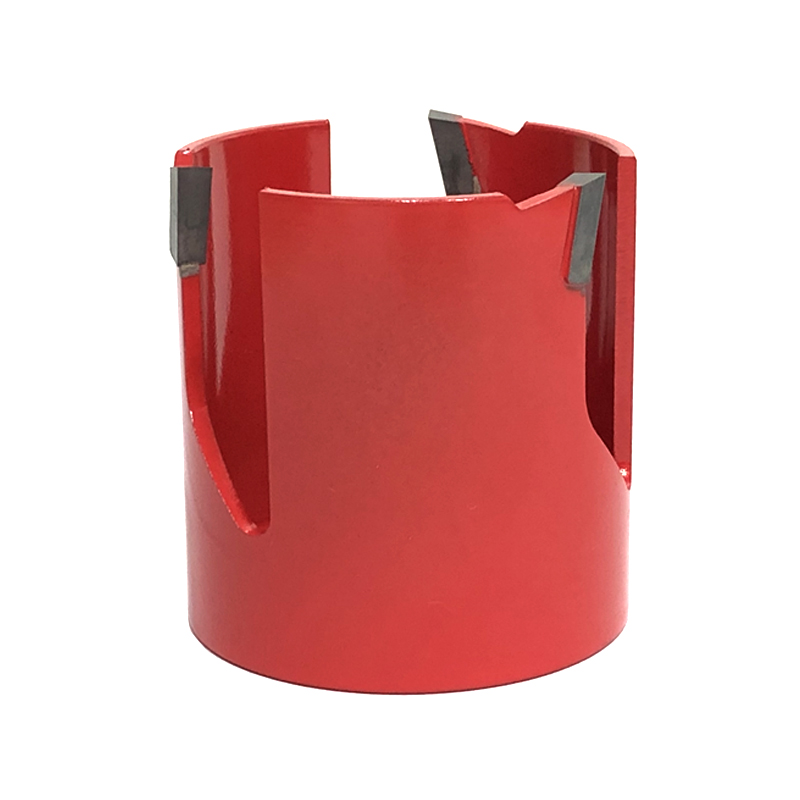
2026-06-26Drilling holes in wood is not the same as drilling through metal or tile. Wood fibers can tear, splinter, or burn if the wrong tool is used. A woodworking hole saws factory produces tools designed specifically for timber, plywood, MDF, and other wood-based materials. These hole saws have tooth patterns optimized for clean entry and exit, with gullets large enough to carry sawdust away from the cut.
A woodworking hole saws factory typically offers saws with teeth made from high-speed steel or carbide. High-speed steel works well for natural wood and clean materials. Carbide teeth last longer when cutting through abrasive wood composites or materials with surface coatings. The tooth geometry differs from general-purpose hole saws, with sharper angles and more aggressive rake for slicing wood fibers.
Tooth Design and Cutting Action
The products from a woodworking hole saws factory feature tooth patterns matched to wood cutting. The teeth are typically larger and more widely spaced than metal-cutting hole saws. Wide spacing creates room for sawdust to escape. If sawdust packs between the saw and the workpiece, friction increases and the saw overheats. Proper tooth design prevents this problem.
The set of the teeth is another important specification from a woodworking hole saws factory. Set refers to how far the teeth are bent outward from the saw body. More set creates a wider kerf — the slot cut by the saw. A wider kerf reduces binding but removes more material. Less set produces a smoother cut but increases the chance of the saw getting stuck. The factory chooses the set based on the target wood types.
Key features of saws from a woodworking hole saws factory include:
- Positive rake angles for aggressive cutting in wood
- Deep gullets between teeth for chip clearance
- Hardened teeth that resist wear from abrasive wood species
- Ejection slots that help remove cut plugs
Construction and Manufacturing
Production at a woodworking hole saws factory begins with steel strip. The strip is cut to length and formed into a cylinder. The ends are welded to an end cap. Teeth are cut into the open edge using a milling or grinding process. Unlike metal-cutting hole saws, woodworking versions may have fewer teeth per inch. Fewer teeth reduce friction and heat buildup in wood.
Heat treatment follows tooth cutting. A woodworking hole saws factory hardens the teeth while keeping the body ductile. Hard teeth resist wear from wood's abrasive silica content. A ductile body flexes under side loads without cracking. The heat treatment process must avoid making the teeth too brittle, as wood cutting involves impact forces that can chip overly hard teeth.
The end cap of a woodworking hole saws factory product includes mounting holes or threads. The arbor attaches here. Some woodworking hole saws use a two-pin drive system. Others use a threaded connection. The factory matches the connection type to the expected torque loads. Larger diameter saws need stronger connections to handle the increased cutting force.
Applications in Woodworking
Products from a woodworking hole saws factory appear in many settings. Cabinet makers use them to cut holes for hardware, wiring, and plumbing. Furniture builders drill for dowels and fasteners. Electricians cutting through wood studs use woodworking hole saws for clean passages. Hobbyists use smaller sets for craft projects and home repairs.
Proper technique extends the life of saws from a woodworking hole saws factory. Users should run the saw at moderate speed. Too fast burns the wood and dulls the teeth. Too slow produces ragged cuts. Clearing sawdust periodically prevents packing. Backing the workpiece with a scrap board reduces tear-out when the saw exits.
Common mistakes when using woodworking hole saws include:
- Pushing too hard, which causes the saw to bind
- Running at excessive speed, which burns the wood
- Using a dull saw, which tears fibers instead of cutting them
- Cutting without a backup board, causing exit tear-out
Choosing the Right Factory Supplier
Buyers selecting a woodworking hole saws factory consider the range of diameters offered. A factory that produces sizes from 10 to 150 millimeters covers common applications. Replacement arbors and pilot bits should be available. Consistent quality across the product line reduces the number of failed tools on job sites.
Supporting Quality Woodworking
From cabinet shops to home workshops, the woodworking hole saws factory produces tools that create clean, precise openings in wood and wood products. The hole saw is a specialized tool, but in the right application it outperforms other methods. For woodworkers who value clean cuts and efficient material removal, a quality woodworking hole saw is a practical addition to the tool collection.
Contact Us
Your email address will not be published. Required field are marked*

- Address: No.13, Qiaonan Road, Qingjiang Town Yueqing, Zhejiang, China
- Tel: +86-577-62260222
- FAX: +86-577-62260666
- E-mail: [email protected]
Copyright © Zhejiang Botian Tools Co., Ltd. All rights reserved.

Cutting Tools Manufacturer
